Wednesday, June 11, 2014

Is it worth trying high intensity interval training?

By Rebecca Almond


High intensity interval training (HIIT) – sounds tough, right? Well, that’s sort of the point. We caught up with Christian Thomson, manager of London’s HiiT Studios, to learn more about the calorie-blasting workout…

The man in the know,
Christian Thomson
1. What is high intensity interval training?
High intensity interval training is a series of exercises performed in quick bursts at maximum effort, followed by short recovery periods. At HiiT Studios our high intensity interval training classes follow a five-station circuit and take around 20 min. Each station is set up with two exercises that are to be performed for 30 sec, followed by a 15 sec rest period. For example, 30 sec battling ropes (pictured above), 15 sec rest, 30 sec bicycle sit ups, 15 sec rest, then repeat before moving on to the next station. Exercises vary but should involve two or three muscle groups.

2. How many calories will you burn during HIIT?
You can expect to burn between 200 and 400 calories during a 20-min session.

3. What are the benefits of this form of exercise?
It’s so easy to fit HIIT into your day – all you need is 5–20 min to get the benefits (no one lasts longer than that if they’re doing it right!). Scientific studies have found intense bursts of exercise can boost heart health, help hormone balance, increase lung capacity and improve stamina due to the demand for oxygen it places on the body. But the biggest advantage is the effect HIIT has on your basic metabolic rate (the rate at which you burn energy at rest) – it will double for 24–36 hours following the workout, burning even more fat and calories. This is caused by something called excess post-exercise oxygen consumption (EPOC), which simply means the body has to work harder to replenish its oxygen stores that have been drained by the workout.

4. Who can do HIIT? 
Anyone in good health. When starting a new exercise regime it's best to first seek the advice of your GP, then ease your way into it. HIIT is an effective way to work out, regardless of your current fitness level, and you'll see quick results.


5. How many times a week should you do HIIT?
Three to five times a week for the best results – it is only 20 min after all! But you’ll get the benefits regardless of how many times you do this type of workout.

Fancy giving high intensity interval training a go? A 20-min class at HiiT Studios cost from £7, or search online for workouts to try at home. 

Friday, June 6, 2014

What’s the deal with… reformer pilates?


By Rebecca Almond

Think pilates won’t give you a heart-pounding, full-body workout? Think again. I went along to London’s Bootcamp Pilates to try out the exercise class that promises to give you a body like The Body.


The reformers
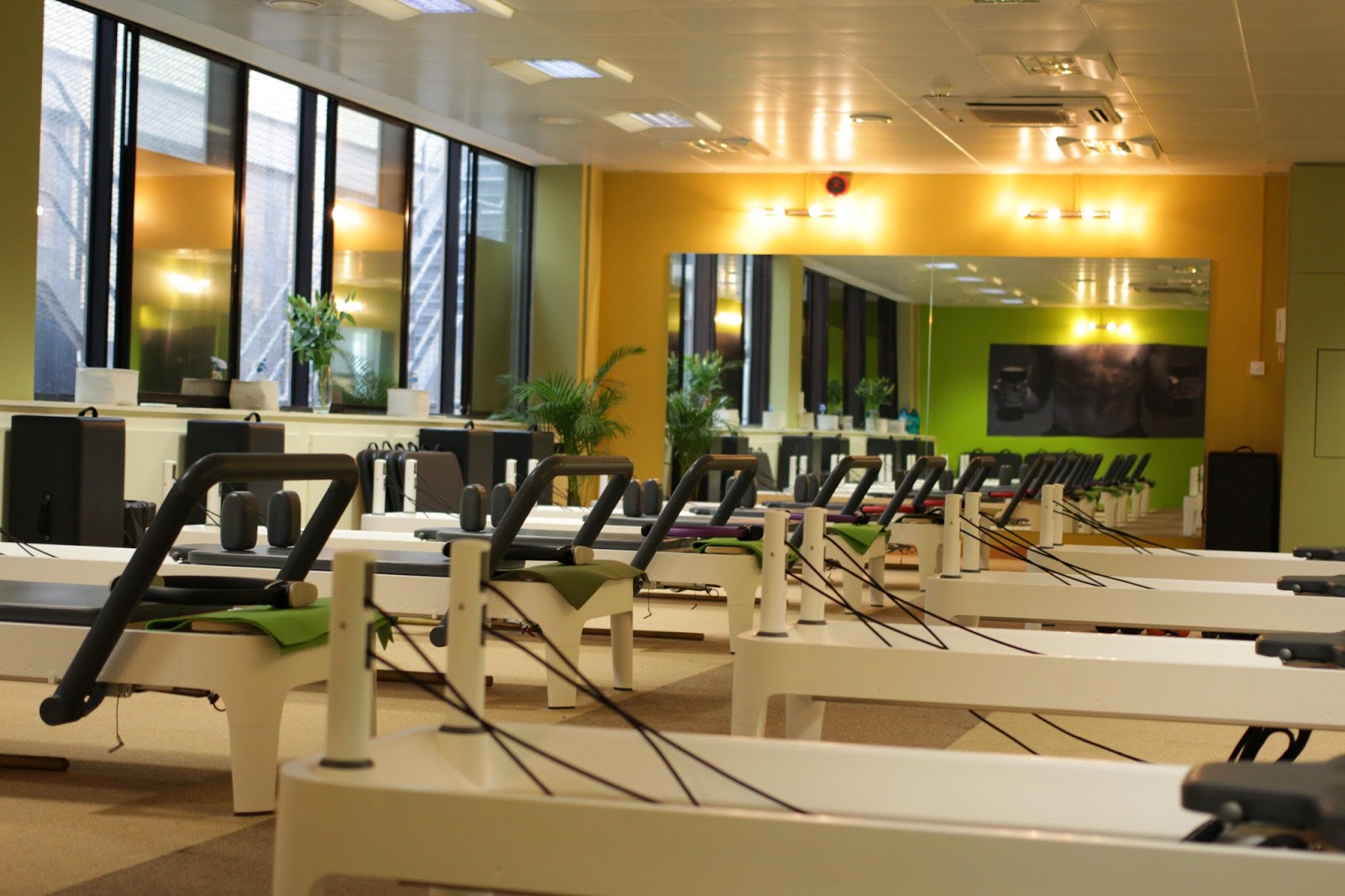
I’m talking reformer pilates – a dynamic series of resistance-based exercises using a contraption that, frankly, looks not dissimilar from a medieval torture device (a flat bed with a moving carriage operated by a series of springs, straps and pulleys). Thankfully the reformer is easy to get to grips with, and the small class size (sessions are usually limited to 10 people or fewer) means the instructor can offer personalised guidance and adjustments so everyone gets the most out of the workout. 

No two classes are the same – some instructors like to incorporate hand weights, others stick to using the straps and resistance combinations on the reformer carriage to challenge your balance and get your heart rate up, but the focus is always on controlling the breath (slow inhale, explosive exhale) and engaging the core. Expect questions such as, ‘Are your inner thighs burning?’ and, ‘Is you pelvic floor tensed?’ (cue blushing).

After an hour of sliding, balancing and holding the plank until my abs shake, I leave the class feeling stretched, toned – and more than a little sweaty. Five sessions later and my posture is much improved, my muscles more defined and my flexibility enhanced. Whether you’re an old hand at mat pilates and fancy trying something new, or a total beginner intrigued as to the benefits of this form of exercise, reformer pilates is a fast and effective way to challenge your strength, stability and overall fitness.


Sam Gurner, Bootcamp Pilates instructor, gives her expert low-down…

How does reformer pilates differ from mat pilates?
Mat pilates focuses on the core, whereas pilates using a reformer offers a full body workout – it allows the muscles to work against greater resistance, increasing the effort required to perform the exercises, so delivers faster results. The reformer also offers more support than the mat, taking the impact out of the joints and channelling it into the muscles.

What are the main benefits of reformer pilates?
It’s kind to your skeleton and joints, and helps to lengthen and strengthen your muscles without adding bulk – a common worry among women. Plus, it establishes stability in your torso, aligns your posture and can help you to lose weight when performed alongside a healthy balanced diet.

Who is this form of exercise best for?
Anyone – men and women of all ages and fitness abilities will benefit from reformer pilates.

Can it help heal an injury?
Pilates is a low-impact form of exercise and is often recommended by doctors and physiotherapists to aid recovery after injury. At the beginning of each session at Bootcamp Pilates the instructor will ask if you have any injuries, then tailor your exercises accordingly. We would, however, always recommend seeking medical advice if you are injured before attending a reformer pilates class.

What is the estimated calorie burn for a reformer pilates class?
It’s difficult to give a precise figure as the number of calories burned depends on the intensity of the class and the skill and effort of the class participant. However, you can expect to burn around 240–420 calories per one-hour session.

What are your top three pilates exercises?
1.     The Plank
You can’t beat it for challenging your muscles – especially when balancing on the unsteady reformer carriage! Planking can take many forms, but essentially it's the act of suspending the body above the reformer (traditionally on elbows bent to 90 degrees directly beneath the shoulders, taking the body’s weight on the forearms and toes), strengthening the shoulders, arms, glutes, core and lower back as you fight against gravity. 
2.     The Hundred
This exercise connects the whole body – arms are stretched out parallel to the floor and pumped up and down, while the legs remain straight and elevated and shoulders lifted. Breathing is controlled (in for five, out for five) to engage the core, strengthening the abdominal muscles and spine while stimulating the nervous system and focusing the mind.
3.     The Surfer
This is a really fun exercise that will develop balance and stability, targeting the obliques, upper back, quads and glutes. The Surfer is performed in a low squat on the reformer carriage. One arm is outstretched at shoulder height, the other is bent across the chest with an overhand grip on one of the reformer’s straps. The bent arm is steadily outstretched as you exhale, pulling on the strap and balancing on the moving carriage as the upper body rotates. Steadily return to the start position, then repeat.


Thursday, May 29, 2014

How to make an easy kale salad


By Thomasina Miers


When I was in LA a few years ago, raw kale was all the rage. I’m not convinced by the superfood smoothie option they have over there, quite yet, but when kale leaves are young and sweet they are lovely in a salad like this, where the sweetness and softness of the cherry tomatoes contrasts so well with the fibrous, slightly minerally flavour of the greens. This is a delicious and healthy side that works with almost anything…


Kale and cherry tomato salad

Prep 10 min Serves4

1 orange
130g curly kale, hard inner stems removed, leaves roughly sliced
300g cherry tomatoes, quartered
½ red onion, halved and finely sliced
1 small bunch parsley, roughly chopped
1 small fresh red chilli, de-seeded and finely chopped

For the dressing
2tbsp red wine vinegar
1tsp caster sugar
90ml extra-virgin olive oil
1tsp Dijon mustard

1 Cut the top and bottom of the orange away and, running a knife from top to bottom, cut away the skin, taking the white pith with it. Segment the orange, then cut each segment into 2 to 3 pieces and put in a bowl.

2 Combine all the dressing ingredients in another bowl and season. Put all the other salad ingredients in the bowl with the orange, then toss with the dressing and serve at once. 


Per serving:
203kcal
2.7g protein
17.6g fat
2.5g saturates
8.4g carbs
8g sugar
4g fibre
0.2g salt

Low cal, low sats, low sugar, gluten free, dairy free, low salt, 
2 of your 5-a-day


Thomasina’s tip: make sure you buy a lovely crisp bunch of kale – you want fresh tender sprouts, not tough old leaves.

© Thomasina Miers. Recipe from Chilli Notes by Thomasina Miers (Hodder & Stoughton, £25)


Monday, May 19, 2014

Will you take the veggie challenge?

By Hannah Sherwood


Today marks the beginning of National Vegetarian Week – will you be setting aside your carnivorous ways and going cold turkey for seven days? It may sound like a challenge, but meat-free eating has never been so accessible – or delicious. At this time of year, there’s an array of fresh fruit and veg at their seasonal best, and a trip to your local supermarket will reveal a great selection of protein-rich vegetarian options. But if you’re worried going meat-free will mean you're depriving yourself of vital nutrients, HFG nutrition consultant Juliette Kellow has this advice…

Is a vegetarian diet healthier?
There’s no definitive answer to this. Studies show vegetarians have lower mortality rates, particularly from heart disease, compared with the general population. However, this difference disappears when vegetarians are compared with meat eaters who follow a healthy lifestyle – so it’s hard to conclude whether it’s a veggie diet that makes people healthier, or other lifestyle habits, such as not smoking or being active.

The best way to ensure a healthy diet is to apply the healthy eating principles – regardless of whether you do or don’t eat meat: have five portions of fruit and veg a day, base meals on fibre-rich starchy foods, choose low-fat dairy products, eat two portions of protein-rich foods each day, such as beans, lentils, nuts, seeds or eggs, and limit fatty, sugary and salty foods.

Some meat provides certain nutrients, so if you do choose a vegetarian diet make sure you are getting all the nutrients you need from other food sources:

CALCIUM, SELENIUM AND ZINC
It’s easy to get enough calcium if you include low-fat dairy products in your diet. Pulses, nuts, seeds, dried fruits, fortified soya products, bread and green leafy veg also contain some calcium, but it’s in a form that’s harder for the body to absorb. Eating nuts and seeds will give you the antioxidant selenium, needed for a healthy immune system, and for zinc (also immune-boosting) eat eggs, nuts, seeds, wholegrain cereals and pulses. If you cut out all animal foods, it can be difficult to get the vitamin B12 needed for a healthy nervous system, so you may want to take a supplement.

PROTEIN
Going meat-free can reduce your protein intake, so it’s important to know the foods to eat to keep your levels up. Don’t be tempted to rely solely on cheese for this nutrient, though, as many varieties are also high in fat, saturates and salt. If you include dairy products and/or eggs in your diet, you’re likely to be getting plenty of protein. Beans, lentils, nuts, seeds, tofu, quinoa and meat alternatives, such as Quorn, are also good sources. Even foods such as bread, cereals, pasta, couscous and rice contain some protein.

IRON
According to recent findings, low iron intake is a concern for many women in the UK. A deficiency can lead to anaemia, with symptoms including extreme fatigue, poor concentration, shortness of breath and an increased risk of infection. Red meat is one of the main sources of iron, but other good sources include eggs, pulses, fortified breakfast cereals, nuts, seeds and green leafy veg. Vitamin C helps the body absorb iron from plant foods, so eat them with citrus fruit, berries, kiwi fruit or peppers.

National Vegetarian Week runs from 19–25 May. To find out more, visit nationalvegetarianweek.org